
The Asset management team at a.s.r. was facing significant fragmentation between development and production environments. In the existing setup, quantitative tools and models (ranging from traditional calculation scripts to advanced machine learning assets) shared the same infrastructure, making production workloads vulnerable to errors stemming from ongoing development activity.
This lack of separation heightened operational risk, one developer’s changes could break production models, or inconsistent deployments might create confusion between teams. Moreover, as a.s.r. acquired more entities such as Aegon and their workloads, the challenge grew: more teams, more models, and an increased need for standardized processes and security.
The goals for the project were clear but ambitious:
From the outset, the new platform would be “Azure first,” aligning with a.s.r.’s broader IT strategy. Xomnia embedded data engineers within the capital management unit to deliver a solution closely integrated with both technical and organizational realities.
Key components of the solution included:
The project unfolded over nearly three years, with quarterly planning cycles enabling iterative expansion. The platform started with a handful of models and two or three engineers, but quickly scaled to over a hundred models and more than sixty active users within capital management alone. Regular onboarding sessions helped different teams migrate their workloads and adapt to cloud workflows using Azure’s resources and best practices.
The implementation of the data platform has had a broad impact across a.s.r.’s asset management operations:
Although assigning specific numbers to efficiency gains is challenging, the new environment has made it noticeably easier for data and quantitative professionals to focus on their core tasks. Security, reproducibility, and operational consistency have all improved, reducing risk and freeing up resources for further innovation.
Looking forward, the platform is positioned for continued evolution. a.s.r. plans to onboard more teams and projects, further expanding the reach of the data platform and modern way of working. As the organization explores new technologies, the groundwork provided by a unified, scalable data environment ensures future developments can build on a strong foundation.
a.s.r., one of the Netherlands’ largest insurance and financial services providers, manages a wide portfolio, including insurance, pensions, mortgages, and capital management. As digital transformation accelerated their operations, Asset management...

The BI team faced some fundamental changes. After a restructuring of the data department the responsibilities of the developers changed, and the team inherited a complex reporting and data model landscape with varying levels of documentation.”
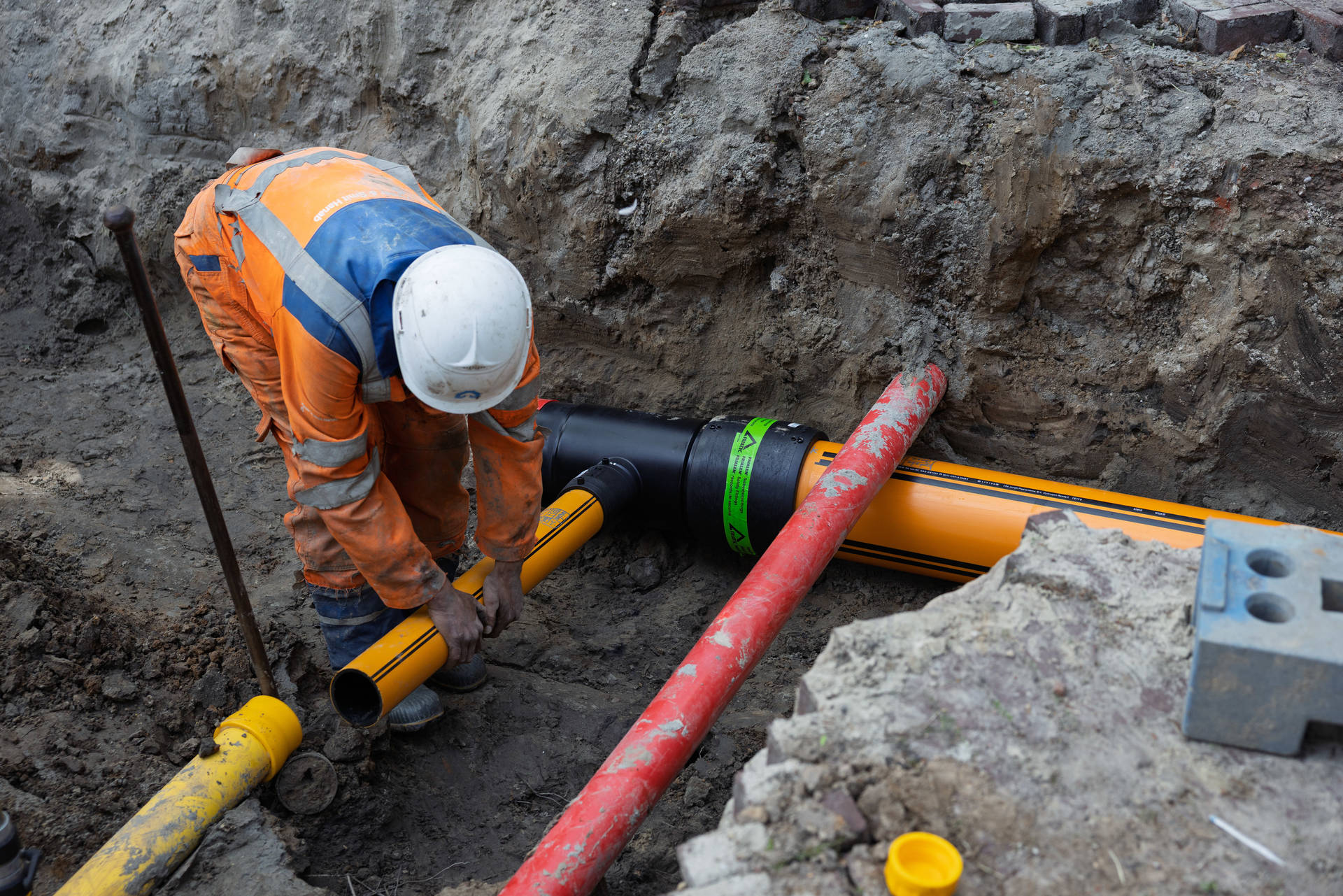
Enexis, one of the largest grid operators in the Netherlands, handles extensive networks of gas and electricity cables that run underground across the country. The company faces a continuous challenge: preventing hazardous incidents caused by excava...